
The Benefits of Outsourcing Traffic Fine Administration
- Updated
- Fines
- Johannes Jooste
Managing traffic fines is an unavoidable administrative burden for many South African businesses, particularly those operating vehicle fleets.
From tracking infringements to ensuring compliance with legislation, traffic fine administration can consume significant time and internal resources.
Outsourcing traffic fine administration to a specialised service provider allows businesses to streamline operations, reduce risks, and focus on core activities.
Below, we explore the key benefits of outsourcing traffic fine administration in South Africa.
Time and Cost Savings
Traffic fine administration is labour-intensive and usually involves ongoing monitoring, verification, follow-ups, internal approvals, and payment processing. When this work sits with operational staff who already have other responsibilities, delays and missed deadlines become more likely.
By outsourcing this function, businesses can reduce day-to-day admin pressure and free internal teams to focus on revenue-generating and strategic activities. Specialised traffic fine administrators typically use purpose-built systems and established processes to manage fines more efficiently and consistently than ad hoc internal handling.
A reputable provider should also conduct legal validity checks and procedural reviews. This can help identify fines that may have been incorrectly or unlawfully issued and then follow the correct, legally recognised steps where that is appropriate. Over time, a more structured approach can reduce rework, prevent unnecessary escalation, and support cost control through better tracking and decision-making.
Improved Compliance Management
Traffic fine legislation in South Africa continues to evolve, particularly with the phased implementation of the AARTO Act, which has been deferred to 1 July 2026.
Staying compliant across multiple jurisdictions and enforcement authorities can be challenging for businesses without dedicated expertise.
Outsourcing traffic fine administration ensures that:
- Fines are managed in line with current legislation
- Representations and submissions are handled accurately and timeously
- Driver compliance is monitored to prevent the accumulation of excessive demerit points (where the AARTO demerit-points system is in force).
Effective compliance management helps protect businesses from licensing disruptions, administrative penalties, and potential complications with insurers following accidents.
Prevention of Licence Renewal Blockages
Unresolved or unmanaged traffic fines can contribute to licence disc renewal issues, administrative delays, and driver suspensions where applicable. These disruptions can affect vehicle availability, delivery schedules, and overall fleet continuity.
By outsourcing traffic fine administration to a provider with national operational capability, businesses benefit from ongoing monitoring and earlier intervention. Fines can be tracked across issuing authorities, reminders issued timeously, and payment or resolution processes handled proactively rather than at the last minute.
This reduces the risk of unexpected blockages and helps keep vehicles and drivers legally operational, especially where fleets operate across different municipalities and provinces.
National coverage:
At Trafico, we work with issuing authorities across South Africa to give clients broader visibility of traffic fines than a single-municipality approach. Coverage can differ by authority and data source, so we confirm the relevant jurisdictions for each client and provide traceable records showing what action was taken on each fine.
Streamlined Processes and Centralised Systems
Traffic fine administration involves multiple moving parts, including licence tracking, fine monitoring, documentation, and reporting.
Outsourcing provides access to streamlined workflows and centralised digital platforms designed specifically for this purpose.
Modern traffic fine management systems allow businesses to:
- Monitor fines and licence renewal dates in one place
- Track costs and trends across vehicles or drivers
- Generate reports to support operational and compliance decisions
This level of visibility enables better resource planning and improved administrative control.
Access to Specialist Expertise
Outsourcing traffic fine administration gives businesses access to people who understand the legal, procedural, and administrative aspects of traffic enforcement in South Africa.
In practice, this includes knowing which process applies to a particular notice, what the timeframes are, what supporting documents are required, and what steps are formally recognised by the relevant authorities.
Specialists who stay informed about legislative changes, enforcement practices, and administrative requirements can reduce the risk of errors, missed deadlines, and non-compliance.
For fleet operators and growing businesses, this expertise can make the overall process smoother and more predictable, particularly when volumes are high.
A Smarter Approach to Traffic Fine Management
Outsourcing traffic fine administration offers clear advantages:
- Reduced administrative burden
- Improved compliance with traffic legislation
- Lower risk of licence disruptions
- Access to specialist systems and expertise
By partnering with a reliable, legally compliant service provider, businesses can manage traffic fines efficiently while maintaining operational continuity.
How Trafico™ Supports Businesses Nationwide
Trafico specialises in traffic fine administration and licence management for businesses across South Africa. With coverage across the country, guidance from attorneys, and technology-based systems, Trafico offers organised and legal solutions designed for fleet operators and companies.
By outsourcing traffic fine administration to Trafico™, businesses gain peace of mind knowing their fines are managed accurately, transparently, and in compliance with the law.

Related articles.
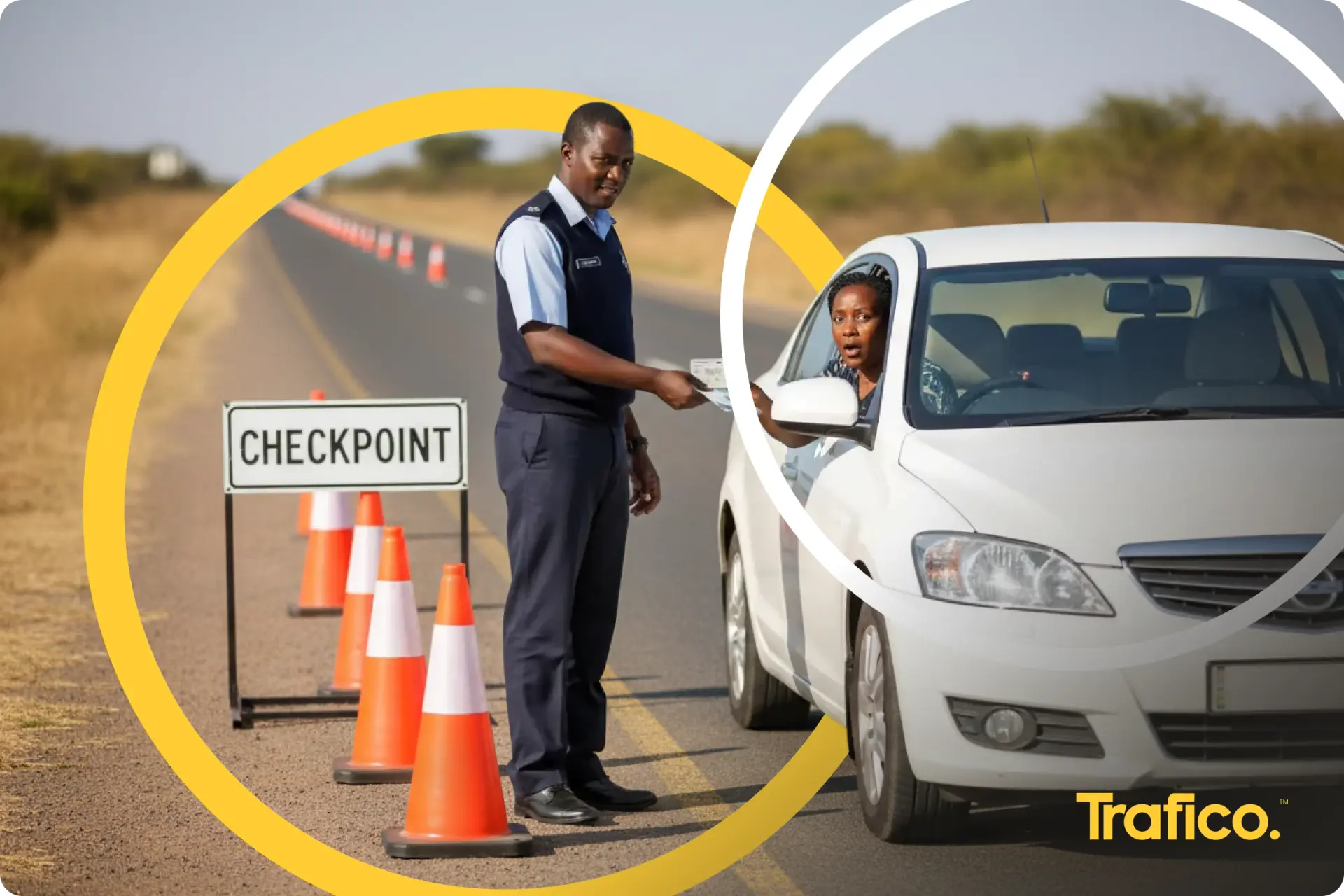
Fines
Ignoring Traffic Fines: Why This Risky Strategy Will Cost You More in South Africa
Unsure about ignoring unreceived traffic fines? Discover why it’s a risky choice in South Africa’s legal landscape.
· Johannes Jooste

Fines
Understanding Nag Fine in South Africa: Complete Guide for 2026
Discover the impact of NAG fines in South Africa.
· Johannes Jooste

Fines
Preventing Fleet Delays: How to Manage Weighbridge Fines
Prevent fleet delays by managing weighbridge and roadblock fines. Learn how to track fines, avoid warrants, and keep your vehicles moving on the road.
· Johannes Jooste
Fines
End of E-Tolls: What you need to know
Step into the post-e-toll era in Gauteng. Explore the far-reaching implications of toll closure and its transformative impact on motorists and transportation.
· Elzané Kellerman-Schietekat
Frequently asked questions
How do I get a 50% discount on traffic fines in South Africa?
In some cases, certain traffic fines may qualify for a reduced amount if paid or resolved within specific legal timeframes, or through recognised administrative or court processes. Where an infringement notice is issued under AARTO, paying within 32 days of service qualifies for a 50% discount (where AARTO applies). Discounts are not guaranteed and depend on the type of fine, issuing authority, and applicable legislation. Any reduction must occur through lawful procedures, not informal arrangements.
How do I remove an admin mark from a vehicle?
An administrative mark is typically removed once the underlying issue has been lawfully resolved. This may include paying outstanding fines, completing required representations, or finalising legal or administrative processes. Simply paying a third party does not automatically remove an admin mark; the resolution must be properly recorded with the appropriate authority.
How can I get a traffic fine reduced in South Africa?
Traffic fines may be reduced or withdrawn in certain circumstances through formal legal processes, such as validity checks, representations, or court proceedings. Each fine is assessed individually, and outcomes depend on legal compliance and procedural correctness rather than guarantees.
Does a traffic fine go on my criminal record?
Traffic infringements dealt with under the AARTO Act are administrative in nature and do not, by themselves, result in a criminal record. Paying an admission of guilt fine or being convicted in court under the Criminal Procedure Act can result in a criminal conviction being recorded. However, ignoring fines or failing to comply with summonses (or, where applicable under AARTO, enforcement orders) can lead to court proceedings, which may have more serious consequences. It’s important to address traffic fines correctly and timeously.
Is it risky to use informal traffic fine services?
Yes. Using unregulated or informal services can result in fines remaining unresolved, resurfacing later, or escalating into summonses or licence renewal blockages. Motorists and businesses should choose providers that operate within South Africa’s legal framework and offer transparent, traceable processes.